Best Vegan Protein Powders for Athletes
Discover the best vegan protein powder for athletes! Explore top plant-based options like pea and rice protein to boost performance and support muscle growth.
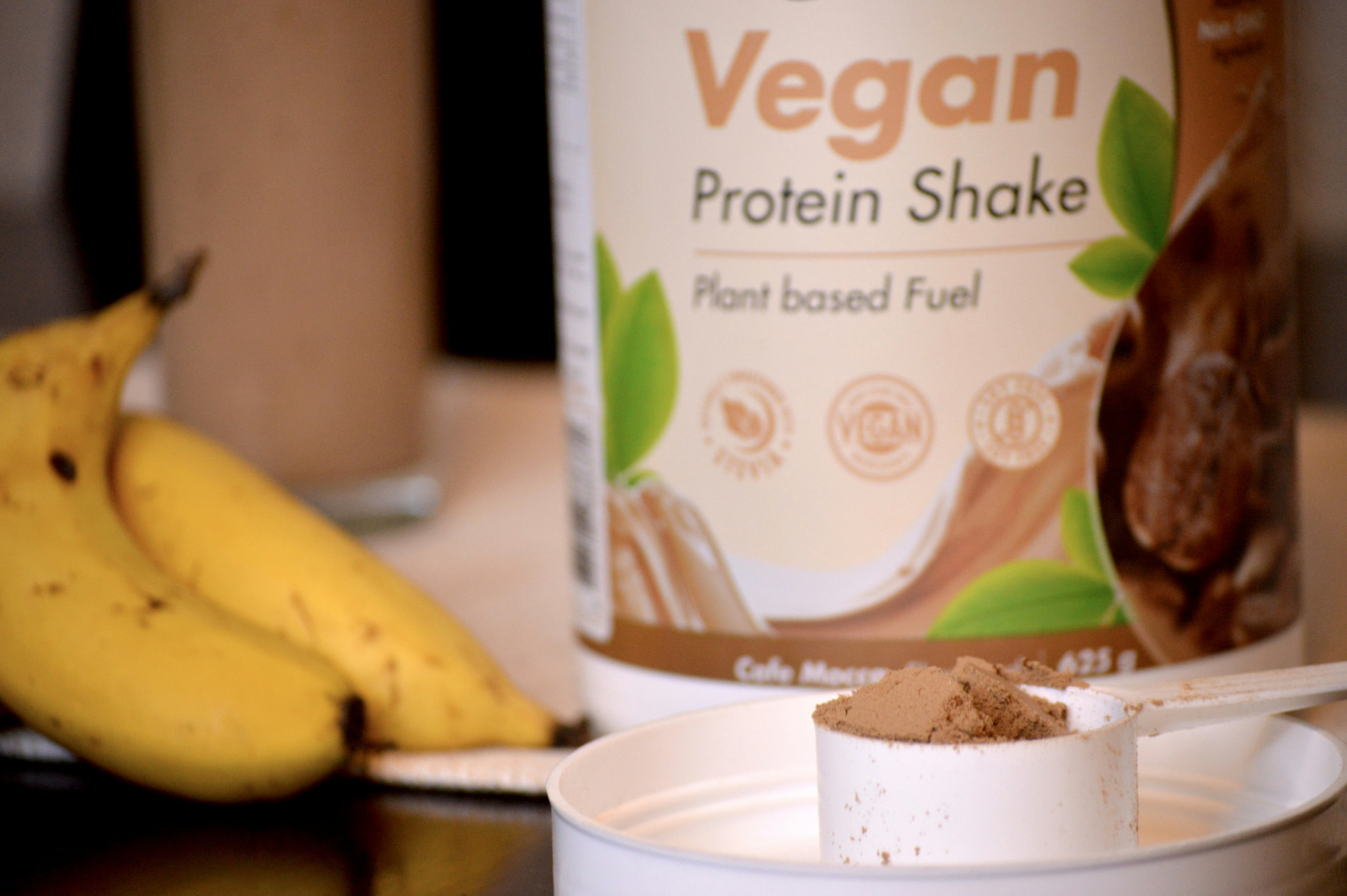
Vegan protein powder is becoming increasingly popular with athletes looking for a plant-based alternative to traditional protein supplements. Made from sources such as peas, rice, hemp and soy, plant-based protein powders can help athletes meet their daily protein needs and support muscle recovery and growth.
But with so many options available, which vegan protein powder should you choose?
This guide breaks down the different types of vegan protein powder, what to look for and how to choose one that suits your training goals and diet.
Is vegan protein powder good for athletes?
Yes. Vegan protein powders can be an effective way for athletes to increase their protein intake and support muscle recovery and growth. Plant-based powders can also be useful for people who avoid dairy or follow a vegan diet. Depending on the ingredients, some other benefits can include:
- Convenient source of protein
- Suitable for plant-based diets
- Variety of protein sources available
- Easy to add to shakes, smoothies and meals
What is vegan protein powder made from?
Vegan protein powders can be made from several different plant-based protein sources. Pea protein Pea protein is one of the most common choices. It contains all nine essential amino acids and is relatively rich in leucine, an amino acid particularly important for stimulating muscle protein synthesis. Rice protein Rice protein provides essential amino acids but is relatively low in lysine. This is why you'll often find it combined with another protein source rather than used alone. Hemp protein Hemp provides protein alongside nutrients including fibre and healthy fats. However, it typically contains less protein per serving than more concentrated pea or soy protein powders. Soy protein Soy is a complete protein containing all nine essential amino acids. It is another widely used plant-based alternative to animal-derived proteins. Protein blends Some powders combine sources such as pea and rice protein. Combining different plant proteins can produce a more balanced essential amino acid profile.
What should you look for in a vegan protein powder?
Don't choose a protein powder based on the front of the packaging alone. Check the nutrition and ingredient information. Some useful things to consider are: Protein per serving – check how much protein you're actually getting from each scoop. Protein source – look at whether it uses pea, soy, rice, hemp or a blend. Amino acid profile – particularly the essential amino acid and leucine content where this information is available. Ingredients – check sweeteners, flavourings and other added ingredients according to your preferences. Allergens – particularly if you have an allergy or intolerance. Third-party testing – especially important for competitive athletes who may be subject to anti-doping rules. Price per serving – a large tub isn't necessarily better value if the serving size is also larger.
Is pea protein good for building muscle?
Pea protein can be a good option for athletes looking to build or maintain muscle. It provides all nine essential amino acids and contains a relatively high amount of leucine compared with many other plant proteins. Pea protein may be a good choice if you want:
- A dairy-free protein source
- A relatively high-protein plant powder
- A soy-free option
- A powder that can be used alone or in a protein blend
Is rice protein good for athletes?
Rice protein can contribute to an athlete's daily protein intake and may be particularly useful when combined with other plant proteins. Rice protein is relatively low in the essential amino acid lysine. Combining it with another source, such as pea protein, can create a more balanced amino acid profile. Rice protein may be suitable if you want:
- A plant-based protein source
- An alternative to soy or dairy
- A protein commonly available as part of a plant blend
Are blended vegan protein powders better?
They can be. Different plant proteins have different amino acid profiles. Combining complementary sources can help compensate for amino acids that are relatively low in one individual source. For example, pea and rice protein are commonly combined to create a more balanced amino acid profile. Blends can therefore be a convenient choice if you don't want to think too much about individual protein sources.
Is organic vegan protein powder better?
Not necessarily. An organic label tells you something about how ingredients were produced, but it doesn't automatically mean that a powder contains more protein, has a better amino acid profile or will be more effective for muscle growth. Instead of using "organic" as the main measure of quality, consider:
- Protein content
- Protein source
- Amino acid profile
- Ingredient list
- Independent testing
- Cost per serving
Whether organic certification matters should ultimately come down to your own priorities.
When should athletes take vegan protein powder?
Protein powder is primarily a convenient way to help you meet your overall protein requirements. You could use it:
- After training
- In a smoothie
- With breakfast
- Between meals
- In recipes such as oats or baking
You don't necessarily need to drink a protein shake immediately after exercising. Your overall protein intake and how you distribute it throughout the day are more important than rushing to have a shake the moment your workout ends.
Can vegan protein powder build muscle?
Yes - provided you're consuming enough high-quality protein overall and combining it with appropriate resistance training. Vegan protein powder itself doesn't build muscle. It simply provides protein and amino acids that your body can use during muscle repair and adaptation. Your wider diet, training, recovery and total protein intake all matter.
Is vegan protein as effective as whey protein?
Plant-based protein can support muscle growth and recovery, but not every plant protein has exactly the same amino acid composition as whey. Some plant proteins contain lower amounts of particular essential amino acids or leucine. This can be addressed by choosing higher-quality sources, using protein blends and consuming an appropriate amount of protein overall. So rather than asking whether all vegan protein is as good as whey, it is more useful to look at the quality and quantity of the specific protein you're consuming.
How do you choose the best vegan protein powder?
There isn't one vegan protein powder that's automatically best for everyone. The best choice depends on your diet, training goals, budget and preferences. As a starting point, look for a powder that:
- Provides a meaningful amount of protein per serving.
- Uses a clearly identified protein source.
- Provides a good essential amino acid profile.
- Fits your dietary requirements.
- Has an ingredient list you're comfortable with.
- Offers reasonable value per serving.
Competitive athletes should also pay particular attention to appropriate third-party testing.
Ultimately, protein powder should supplement your diet rather than replace it. Choose one that makes it easier to consistently meet your nutritional needs rather than simply choosing the product with the most impressive marketing claims.
Evidence / notes:
This is personal editorial research, not medical advice or a professional recommendation.