Benefits of Electrolytes for Your Health
Discover the benefits of electrolytes for your health! Explore how they support hydration, muscle function and recovery, and when you might need them most.
What Are Electrolytes?
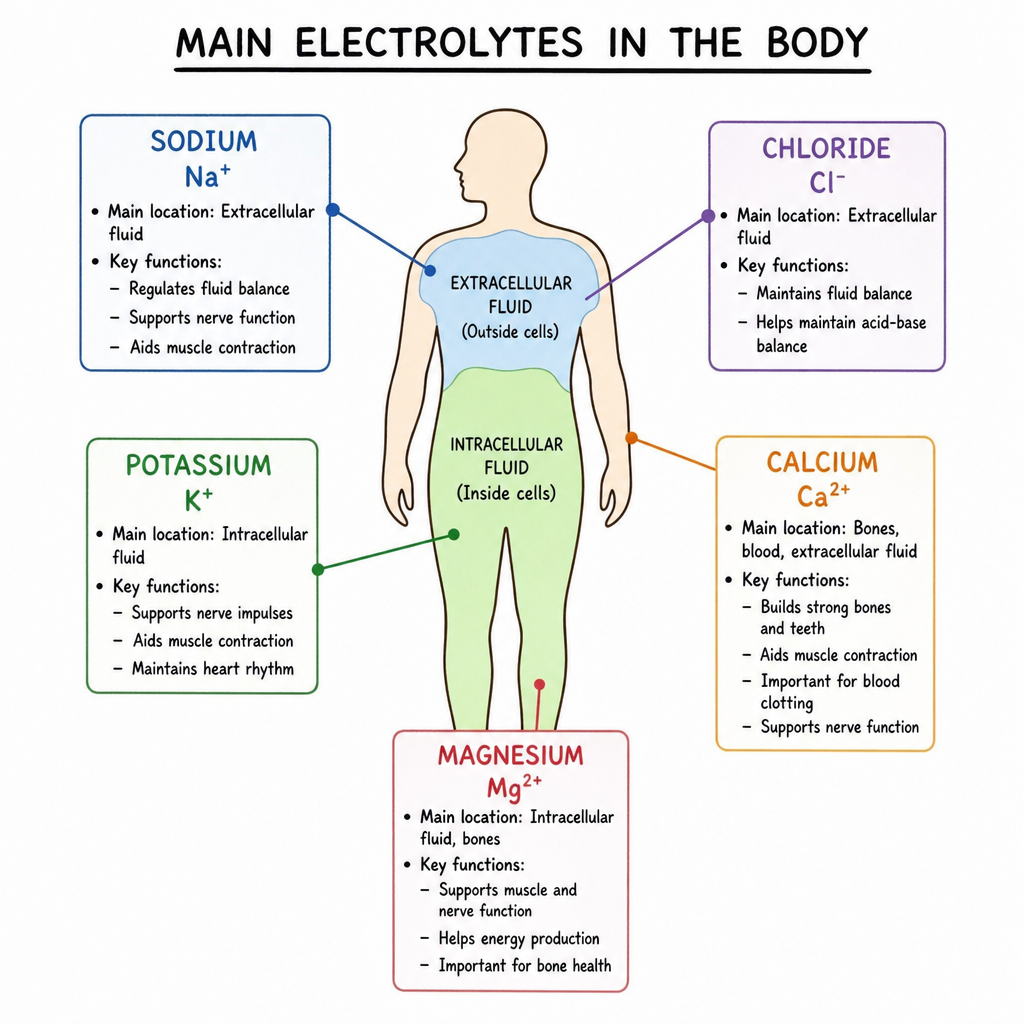
Electrolytes are minerals that carry an electric charge. They are found in blood, tissue, and other body fluids. The main ones are sodium, potassium, calcium, and magnesium. Each mineral has a job. Together they help nerve signals, muscle movement, fluid balance, and pH control. They also help move nutrients into cells and carry waste out. Here is a quick look at the main electrolytes:
- Sodium
- Potassium
- Calcium
- Magnesium
Understanding what electrolytes are can help you keep them in balance.
What Do Electrolytes Do for Your Body?
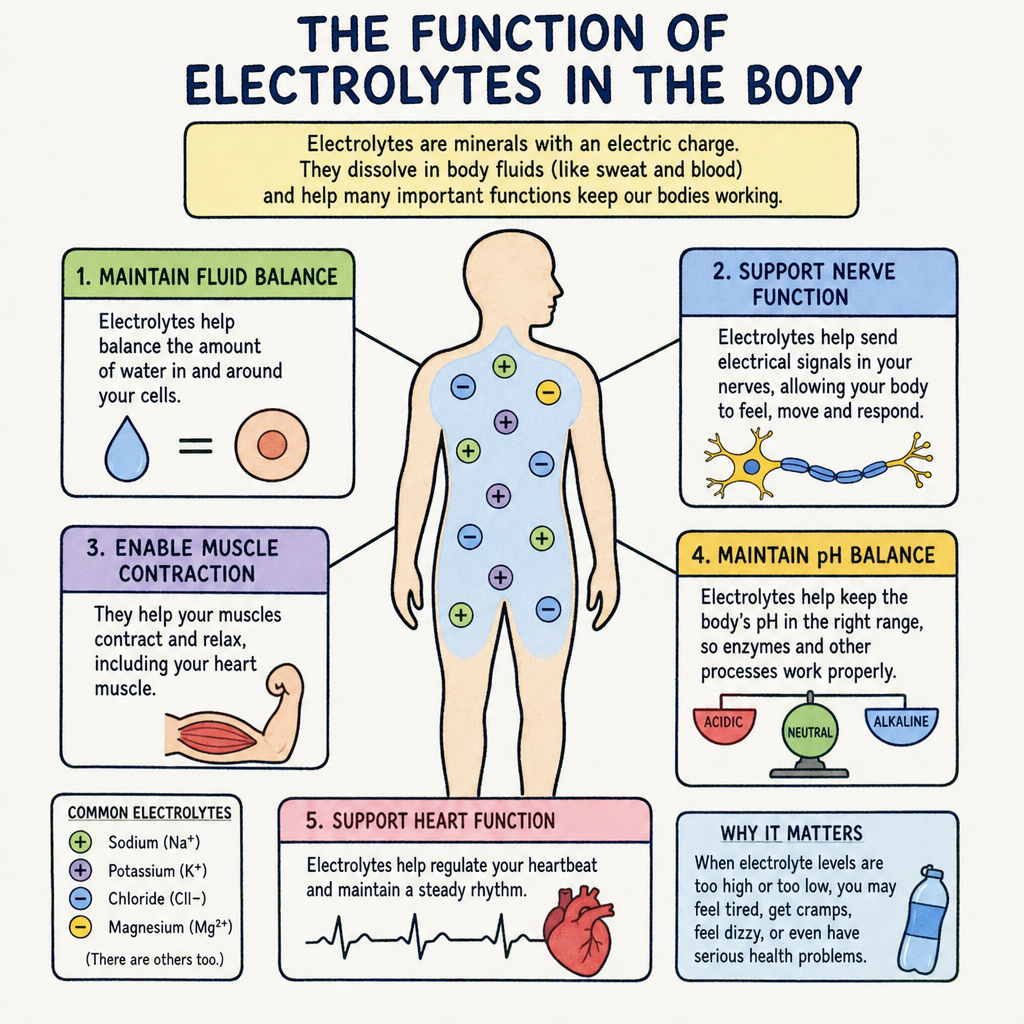
Electrolytes help nerve cells send signals, and they help muscles contract and relax. This keeps movement and communication working smoothly. They also keep fluid levels steady inside and outside your cells. That fluid balance supports normal cell function and good hydration. Electrolytes help keep blood pressure and blood acidity in a healthy range. They also support energy use and tissue repair after activity. Some key jobs include:
- Nerve signal flow
- Muscle contraction
- Hydration balance
- Blood pH control
These jobs show why electrolyte levels matter so much.
What Are the Key Benefits of Electrolytes?
The benefits of electrolytes cover many parts of health. The biggest one is hydration. These minerals help your body hold the water it needs. They also help prevent muscle cramps. When levels stay steady, muscles can tighten and relax in a smoother way. Electrolytes support focus and clear thinking, too. Good levels may help lower tiredness and keep energy steadier through the day. Another benefit is heart support. Proper levels help your heart pump well, which may lower the risk of heart problems. They also help with digestion by supporting nutrient absorption. That lets your body use food better. Some common benefits are:
- Better hydration
- Fewer muscle cramps
- Better focus
- Healthy blood pressure
- Better digestion
These benefits of electrolytes show why a balanced intake matters.
What Are the Signs and Risks of Electrolyte Imbalance?
Noticing the signs of an electrolyte imbalance matters for health. Common symptoms can be mild or severe. Dizziness and fatigue are common signs. These symptoms can make daily tasks harder. More serious signs include irregular heartbeat and muscle weakness. These symptoms need medical care right away. Causes of imbalance include heavy sweating, dehydration, a poor diet, and some medicines. These can all throw levels off. Key signs to watch for:
- Dizziness
- Fatigue
- Irregular heartbeat
- Muscle weakness
If you ignore these signs, they can lead to confusion or seizures. Knowing these risks shows why balanced electrolytes matter in your daily routine.
What Foods Have Electrolytes?
Adding electrolyte-rich foods to your diet is key. These foods help replace what your body loses through sweat and normal daily activity. Many fruits and vegetables are good sources. Bananas and oranges are rich in potassium, while spinach gives you magnesium. Dairy foods like yoghurt provide calcium. Nuts and seeds can add magnesium and sodium. Try these foods to raise your intake:
- Bananas
- Oranges
- Spinach
- Yoghurt
- Nuts
A mix of these foods can help keep energy steady and support daily health.
Why Are Electrolytes Important for Athletes and Active Lifestyles?
Athletes lose more electrolytes through sweat. Long or hard workouts can deplete these minerals quickly. Without enough, fatigue and cramps may show up. Replacing lost electrolytes can help with endurance and recovery. Sports drinks can help after long training sessions. Water and food still matter, though. Sodium, potassium, and calcium are especially useful for active people. Key electrolytes for athletes include:
- Sodium
- Potassium
- Calcium
Whether you train often or just enjoy casual workouts, balanced electrolyte levels support muscle function and recovery. Good hydration and a healthy diet can help you stay ready for the next session.
How Can You Maintain Healthy Electrolyte Levels?
A varied diet is the best way to keep levels steady. Eat fruits, vegetables, dairy foods, whole grains, nuts, and seeds. You can also add electrolyte-rich foods to meals and snacks through the day. Drink enough water, especially in hot weather or after exercise. Here are simple tips:
- Drink plenty of water.
- Snack on bananas or oranges.
- Choose whole grains and nuts.
Pay attention to thirst, sweat, and energy levels. These clues can help you spot a possible imbalance early.
Should You Use Electrolyte Supplements?
Most people can get enough electrolytes from food and water. A balanced diet usually covers daily needs. Some people may benefit from supplements. These include athletes who sweat a lot, people on certain medicines, or those with illness-related losses. Electrolyte drinks or tablets can help during long workouts. They are not always needed for short or light exercise. If you choose a supplement, look for one with sodium, potassium, and magnesium. Check the label for added sugar and artificial ingredients. Points to consider:
- Diet quality first
- Extra needs from sweat or illness
- Product label and ingredients
- Personal health goals
Talk to a healthcare professional before starting a new supplement. This is especially important if you have health conditions or take medicines.
Conclusion Electrolytes are essential minerals that help your body work well. They support hydration, nerve function, muscle movement, and heart health. A balanced diet with fruits, vegetables, dairy, nuts, and seeds usually provides enough. During heavy exercise or illness, you may need extra support. Pay attention to your body and seek medical advice if you notice signs of imbalance. Small, consistent habits can help keep your electrolytes in a healthy range.
Evidence / notes:
This is personal editorial research, not medical advice or a professional recommendation.